

Artikel: Is Natural Sunscreen Effective for Daily Use?
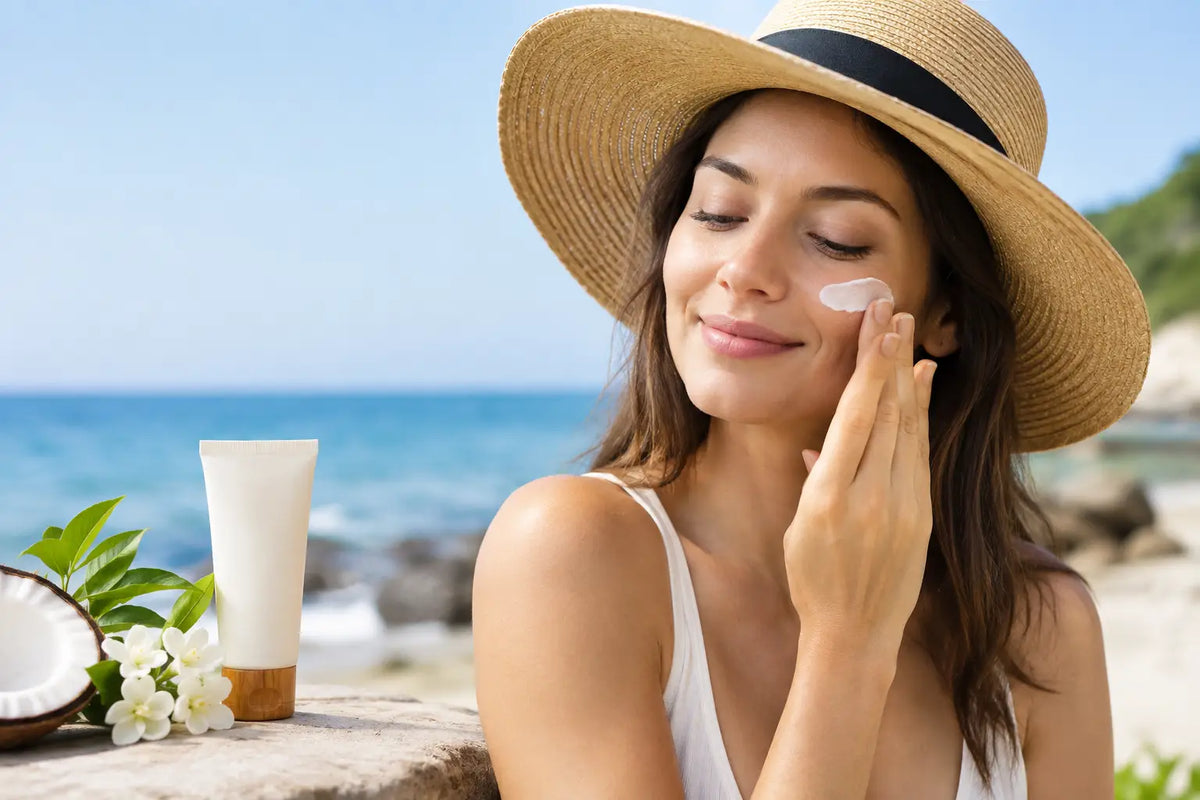
Is Natural Sunscreen Effective for Daily Use?
A sunscreen can have a beautiful plant-based formula, a creamy finish, and a thoughtfully minimal ingredient list, yet still fall short if it does not provide reliable UV protection. So, is natural sunscreen effective? It can be - when it uses proven UV filters, carries an appropriate SPF and broad-spectrum claim, and is applied generously enough to perform as tested.
For sensitive, breakout-prone, or ingredient-conscious skin, natural sunscreen can be an especially appealing choice. The key is knowing what “natural” means on a label, what actually protects skin from ultraviolet exposure, and how to make your daily application count.
Is Natural Sunscreen Effective? It Depends on the Filters
“Natural sunscreen” is a marketing description, not a standardized measure of protection in the United States. A formula may be called natural because it contains botanical oils, organic plant extracts, or naturally derived ingredients. Those elements can support the feel and skin-care benefits of the product, but they do not automatically make it an effective sunscreen.
The protection comes from the active UV filters. In natural-leaning sunscreen formulas, these are most often mineral filters: zinc oxide and titanium dioxide. Both sit on and within the uppermost layer of the skin to absorb, scatter, and reflect UV radiation. Zinc oxide is particularly valued because it offers broad-spectrum coverage, helping protect against both UVB rays, which cause sunburn, and UVA rays, which contribute to premature visible aging and dark spots.
Titanium dioxide primarily protects against UVB and part of the UVA spectrum. It is often paired with zinc oxide to help create a comfortable, elegant formula with dependable coverage. For broad-spectrum protection, check the package claim rather than assuming that a mineral formula covers all relevant wavelengths.
A sunscreen’s effectiveness is not determined by whether every ingredient comes from nature. It is determined by whether its UV filters are approved for use, present at the tested concentration, and supported by the product’s SPF and broad-spectrum testing.
What SPF and Broad Spectrum Really Tell You
SPF, or Sun Protection Factor, measures protection mainly against UVB rays. For everyday use, SPF 30 is a sound minimum. When used as directed, SPF 30 filters about 97% of UVB rays. Higher SPFs offer a modest increase in UVB protection and may provide useful extra margin for people who spend more time outside, perspire, swim, or know they tend to underapply.
Broad spectrum is just as essential. UVA rays are present year-round and can pass through window glass. They are associated with uneven tone, the appearance of fine lines, and the persistence of hyperpigmentation. If dark spots, post-breakout marks, or early signs of aging are among your concerns, daily broad-spectrum sunscreen is one of the most protective steps in your routine.
Water resistance matters when you are swimming, sweating, or exercising outdoors. No sunscreen is waterproof. A water-resistant claim means the formula maintains its stated SPF for a specific amount of time during water exposure or sweating, commonly 40 or 80 minutes. Reapply according to the label, and always after towel drying.
Mineral Sunscreen and Sensitive Skin
Mineral formulas are often a considered choice for reactive skin because zinc oxide and titanium dioxide are generally well tolerated. They can be especially helpful for those who prefer to avoid certain organic UV filters or want a fragrance-free, plant-powered routine with fewer potential irritants.
Still, “mineral” does not mean universally irritation-free. A sunscreen can include essential oils, fragrance, alcohol, or rich emollients that do not suit every complexion. If your skin is prone to redness, eczema, breakouts, or stinging, look beyond the active ingredient panel. Choose a formula designed for sensitive skin, ideally fragrance-free, and introduce it as you would any new product.
Texture also matters more than it may seem. A sunscreen you enjoy wearing is one you are more likely to use daily and reapply. Mineral sunscreens have historically been known for a white cast, especially on deeper skin tones, but modern formulas can use finely dispersed pigments and sheer tints to improve blendability. A tinted mineral sunscreen can also offer a more even, softly perfected finish while helping minimize a chalky appearance.
Natural Ingredients Are Not a Substitute for SPF
Raspberry seed oil, carrot seed oil, coconut oil, and other botanical ingredients are sometimes described online as having natural SPF. While certain oils and extracts may have antioxidant properties or absorb a limited amount of UV radiation, they are not substitutes for a tested broad-spectrum sunscreen.
The issue is reliability. Sun protection requires consistent, measured coverage across a wide range of wavelengths. A facial oil does not provide the controlled protection stated on a sunscreen label, and relying on it can leave skin vulnerable to sunburn, pigmentation, and cumulative UV damage.
That does not mean botanicals have no place in sun care. Thoughtfully selected plant oils, soothing extracts, and antioxidant ingredients can complement a sunscreen formula by supporting hydration and comfort. They simply play a supporting role. The proven UV filters and the finished product’s testing do the essential protective work.
How to Choose an Effective Natural Sunscreen
Start with a broad-spectrum SPF 30 or higher from a brand that clearly identifies its active UV filters and provides straightforward usage instructions. If a product makes vague promises about “sun defense” but does not show an SPF rating or broad-spectrum designation, treat it as skin care, not sunscreen.
Then choose for your skin concern and your lifestyle. Dry or dehydrated skin may prefer a nourishing cream texture with humectants and barrier-supporting lipids. Oily or breakout-prone skin may feel more comfortable in a lightweight fluid or a non-greasy lotion. Sensitive complexions often do best with a fragrance-free mineral formula and a short, purposeful ingredient list.
If discoloration is a concern, a tinted mineral sunscreen may be worth considering. Visible light can worsen certain forms of hyperpigmentation, including melasma, and iron oxide pigments used in many tinted formulas may offer an added layer of defense against visible light. It is not a replacement for broad-spectrum SPF, but it can be a useful complement for a more tone-conscious routine.
Finally, be realistic about your day. A silky sunscreen that layers well beneath makeup can be a better everyday choice than a thicker option you reserve for the beach. On days with extended outdoor exposure, select a water-resistant formula and make reapplication part of your plan.
Application Is Where Protection Is Won or Lost
Even an excellent sunscreen cannot deliver its labeled protection when it is applied too sparingly. For the face and neck, use approximately two finger lengths of sunscreen, or about one-quarter teaspoon. Apply it as the final step of your morning skin-care routine, after moisturizer and before makeup.
Give mineral sunscreen a moment to settle before applying foundation or concealer. If you wear makeup, reapplication can feel less intuitive, but it remains necessary with continued exposure. Reapply at least every two hours outdoors, and sooner after swimming, sweating, or toweling off. A sunscreen powder or mist can be convenient over makeup, though a lotion or cream applied in a sufficient amount is generally the most dependable way to maintain full coverage.
Do not overlook high-exposure areas: ears, hairline, eyelids, lips, neck, chest, and the backs of hands. These areas often show signs of sun exposure first because they are easy to miss.
The Best Natural Sunscreen Is One You Will Use Consistently
An effective natural sunscreen is not defined by a romantic ingredient list or a single buzzword. It is a tested broad-spectrum product with SPF 30 or higher, protective mineral filters, and a finish that fits naturally into your routine. For many people, zinc oxide-based formulas offer a reassuring balance of reliable daily defense and a gentle, skin-comforting experience.
Think of sunscreen as the daily foundation beneath every glow-focused serum, clarifying treatment, and barrier-supporting moisturizer. Choose one that feels refined on your skin, apply enough to make it work, and let that small morning ritual protect the results you are working toward.


