Artikel: How to Treat Hormonal Breakouts Naturally
How to Treat Hormonal Breakouts Naturally
Hormonal breakouts have a pattern. They tend to flare at the same time each month, settle along the chin and jawline, and linger longer than the occasional surface-level pimple. If you are wondering how to treat hormonal breakouts naturally, the goal is not to attack your skin harder. It is to calm inflammation, support the skin barrier, and stay consistent with habits that help reduce the triggers behind the cycle.
This is where many routines go off track. Skin that is breaking out can look oily and feel congested, so it is tempting to over-cleanse, over-exfoliate, or layer too many actives at once. Hormonal acne usually does not respond well to that approach. Harsh products can leave skin more reactive, more dehydrated, and more prone to post-breakout marks.
What hormonal breakouts usually look like
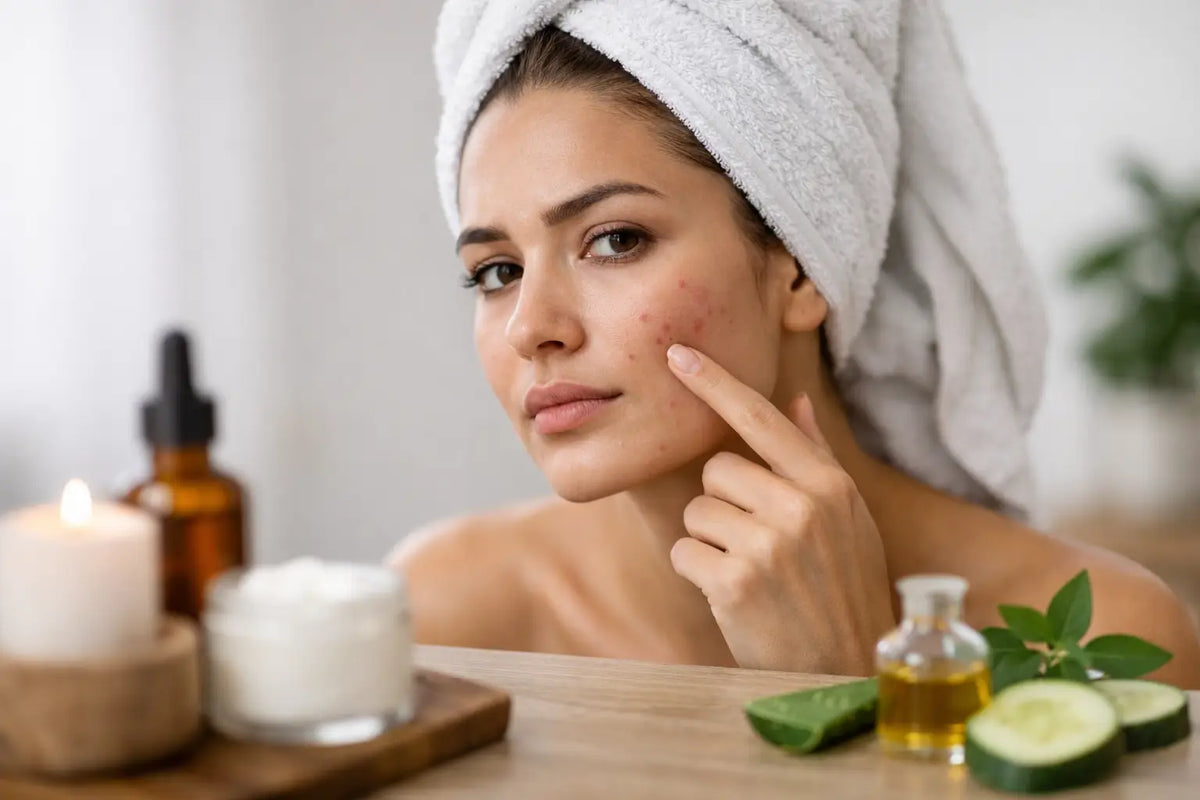
Hormonal breakouts often show up as deeper, more inflamed bumps rather than tiny clogged pores alone. They commonly appear around the lower face, especially the chin, jawline, and sometimes the neck. For many adults, they worsen before a period, during times of high stress, or when sleep and diet are off balance.
That does not mean every jawline breakout is hormonal, and it does not mean natural care is a quick fix. It means the best results usually come from a routine that respects the skin while addressing oil, inflammation, and healing at the same time.
How to treat hormonal breakouts naturally with less irritation
A natural approach works best when it is disciplined rather than trendy. You do not need ten products. You need a few well-chosen steps that reduce disruption and give skin a chance to rebalance.
Start with a gentle cleanse
Clean skin matters, but stripped skin breaks out too. Choose a mild cleanser that removes sunscreen, makeup, and excess oil without leaving your face tight. If your skin feels squeaky after washing, the formula may be too aggressive for a hormonal breakout cycle.
For many adults, cleansing twice a day is enough. If your skin is very dry or sensitive, a morning rinse or a very light cleanse may be a better choice. The right cleansing rhythm depends on how much oil your skin produces, your climate, and how reactive your barrier is.
Use plant-powered ingredients that calm and clarify
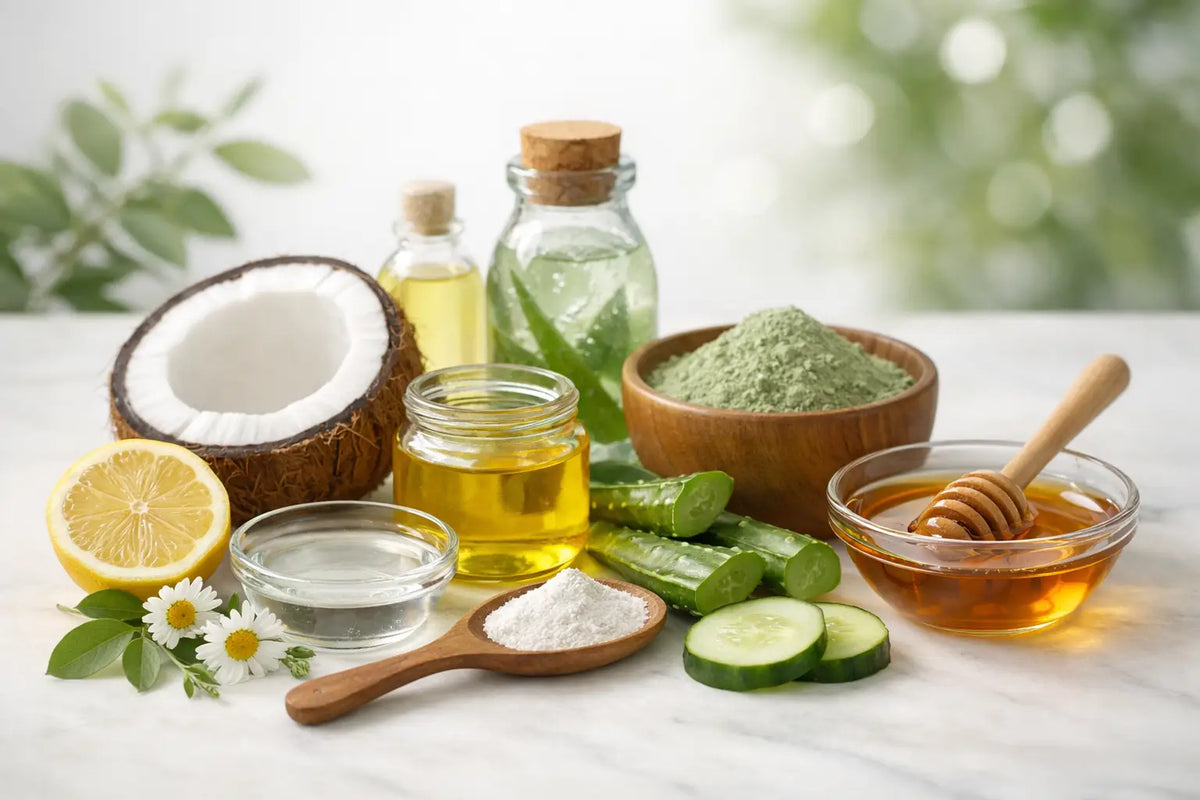
Natural skincare can be very effective for hormonal breakouts when the formulas are thoughtfully made. Look for ingredients known for balancing and soothing the skin, such as tea tree in well-formulated amounts, willow bark, niacinamide from skin-friendly sources, green tea, aloe vera, calendula, and lightweight botanical oils that do not feel heavy.
This is where quality matters. Not every natural ingredient is automatically gentle, and essential-oil-heavy formulas can be too stimulating for inflamed skin. Fragrance-free or low-irritation options are often the better fit, especially if you are dealing with both acne and sensitivity.
Keep exfoliation measured
Exfoliation can help with clogged pores and dullness, but too much can keep hormonal breakouts active. A mild chemical exfoliant once or twice a week is usually enough for most adult skin. If you are already using a clarifying serum, you may need even less.
Avoid the urge to combine exfoliating acids, scrubs, spot treatments, and masks all in the same week. Clearer skin does not come from constant pressure. It comes from reducing congestion without disturbing recovery.
Moisturize even if you are acne-prone
One of the most overlooked answers to how to treat hormonal breakouts naturally is simple: keep your skin properly hydrated. Dehydrated skin can produce more oil, become more inflamed, and heal more slowly.
A lightweight, non-comedogenic moisturizer helps maintain barrier function and makes the rest of your routine more tolerable. If your skin is easily triggered, choose a moisturizer with calming ingredients and no unnecessary fragrance. Skin that feels comfortable is easier to treat than skin that feels under attack.
Do not skip sunscreen
Hormonal breakouts often leave behind lingering discoloration. Daily sunscreen helps prevent those marks from getting darker and supports a more even-looking complexion over time. This matters even more if you use exfoliating or clarifying products.
Mineral or sensitive-skin sunscreen formulas are often a good choice if you are breakout-prone and easily irritated. The best sunscreen is the one you will wear every day without dreading the texture.
Lifestyle habits that can support clearer skin
Topical care matters, but hormonal breakouts do not exist in a vacuum. Skin often reflects what is happening with stress, sleep, blood sugar, and inflammation.
Pay attention to blood sugar swings
For some people, frequent spikes and crashes from highly refined foods can make breakouts harder to manage. This does not mean you need a restrictive diet. It usually means building meals with more balance - protein, fiber, healthy fats, and fewer ultra-processed patterns that leave energy and skin feeling unstable.
Not everyone sees a direct connection with the same foods. Dairy is a trigger for some, while others notice no change. Instead of following broad internet rules, look for your own patterns over a full cycle or two.
Lower the stress load where you can
Stress can increase inflammation and influence oil production, which is one reason breakouts often intensify during demanding periods. Skincare alone cannot cancel that out.
Daily stress support does not have to be elaborate. More consistent sleep, lighter evening screen exposure, walking, breathwork, and regular meals can all help lower the background noise that shows up on your skin. Small changes, done consistently, usually matter more than occasional detox behavior.
Be careful with supplements
People looking for natural acne support often reach for zinc, spearmint tea, omega-3s, or adaptogens. Some find them helpful. Some do not. Supplements can also interact with medications or be inappropriate depending on your health history.
If breakouts are persistent, painful, or linked to irregular cycles, this is worth discussing with a dermatologist or healthcare provider rather than self-prescribing your way through a shelf of wellness products.
A simple natural routine for hormonal breakouts
If your current lineup feels crowded, simplify it. A steady routine often performs better than an ambitious one.
In the morning, cleanse gently, apply a calming or balancing serum, use moisturizer, and finish with sunscreen. At night, cleanse thoroughly, apply your treatment step if you use one, and seal in hydration with a moisturizer that supports repair.
Once or twice a week, add a gentle exfoliating treatment or a clarifying mask if your skin tolerates it well. If your skin feels hot, flaky, or extra reactive, pull back. That is not failure. That is skin asking for less intensity.
A refined, barrier-conscious routine is often the most effective way to care for adult acne-prone skin, especially when you want visible results without harsh trade-offs. This is the philosophy behind many modern organic skincare rituals, including concern-led routines from brands like Verelé that pair plant-powered formulas with a more disciplined approach to skin health.
When natural care may not be enough on its own
There is room for nuance here. Natural skincare can absolutely improve hormonal breakouts, reduce inflammation, and help skin recover more gracefully. But if your acne is cystic, painful, scarring, or affecting your confidence in a major way, a natural routine may need support from professional treatment.
That does not mean you have to abandon your preferences. Many people combine dermatologist guidance with gentle, fragrance-free, naturally derived skincare that keeps the barrier calm. The goal is not purity for its own sake. The goal is healthier skin.
How long it usually takes to see improvement
Hormonal breakouts rarely change overnight. You may notice less redness or better skin comfort within a couple of weeks, but meaningful improvement often takes one to three full skin cycles. That means patience matters.
Take progress seriously, but measure it well. Fewer deep breakouts, faster healing, and less lingering discoloration all count. Skin does not need to be perfect to be moving in the right direction.
If you want to know how to treat hormonal breakouts naturally, think calm, consistent, and supportive rather than aggressive. A well-made routine, better daily rhythms, and a little restraint can do more for your skin than another harsh fix promising instant clarity. Give your skin a formula it can trust, and enough time to respond.