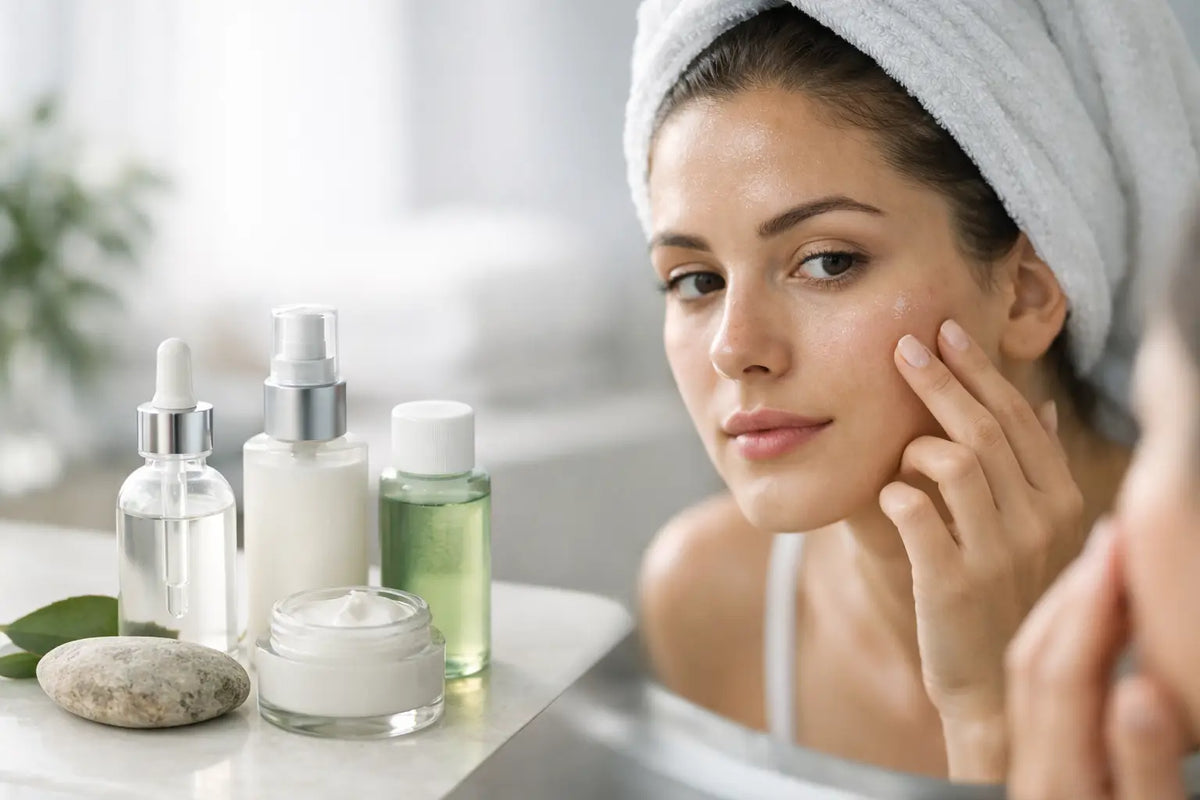
How to Start Anti Aging: A Gentle Skin Plan
Fine lines rarely arrive all at once. They often begin as makeup settling differently, skin that feels less bouncy after cleansing, or a glow that takes longer to return. Learning how to start anti aging is less about chasing a dramatic transformation and more about giving your skin consistent protection, moisture, and renewal support before stressors become more visible.
The most effective routine is not necessarily the longest one. It is the one you can use every day without irritating your skin. Start with a thoughtful foundation, introduce active ingredients slowly, and let your skin guide the pace.
How to Start Anti Aging Without Overcomplicating It
Skin aging is influenced by more than birthdays. Daily UV exposure, dehydration, pollution, stress, genetics, sleep, and repeated irritation all affect how skin looks and feels over time. You cannot control every factor, but you can support the parts of your routine that make a meaningful difference: sun protection, barrier care, antioxidant support, and measured cell renewal.
If you are in your twenties or thirties, prevention is often the goal. You may be noticing early expression lines, uneven tone, dullness, or dehydration rather than deep wrinkles. In your forties and beyond, the focus may shift toward comfort, firmness, texture, and replenishing moisture. The essentials remain similar, but richer textures and more intentional treatment may feel especially beneficial.
Start with a simple routine for at least two weeks before adding multiple treatments. This gives your skin time to settle and makes it easier to recognize what is helping.
Begin With Daily Sun Protection
If you choose only one anti-aging habit, make it sunscreen. UV exposure contributes to visible changes including uneven pigmentation, loss of firmness, fine lines, and a rougher texture. These effects can occur even on overcast days or during short periods outside.
Apply a broad-spectrum sunscreen with SPF 30 or higher every morning as the final step in your skincare routine. Use a generous amount across the face, neck, ears, and chest when exposed. Reapply when you are outdoors for extended periods, sweating, or near windows with direct sun.
A sunscreen that feels comfortable is the one you will actually wear. If your skin is dry, look for a moisturizing finish. If it is oily or breakout-prone, a lightweight formula may be easier to use consistently. Sensitive skin often benefits from fragrance-free options and formulas designed to minimize irritation.
Build a Barrier-First Routine
A strong skin barrier helps retain water and defend against external irritants. When it is compromised, skin can feel tight, sting unexpectedly, become flaky, or appear more reactive. Adding powerful treatments to an unsettled complexion can make early aging concerns look more pronounced, not less.
Your morning and evening routine can begin with three reliable steps: a gentle cleanser, a moisturizer suited to your skin type, and sunscreen in the morning. Cleansing should leave your skin refreshed, not squeaky or tight. Very hot water, aggressive scrubs, and frequent over-cleansing can strip the skin of the lipids it needs for comfort.
Choose a moisturizer that supports hydration and softness with ingredients such as glycerin, hyaluronic acid, ceramides, squalane, or nourishing plant oils. Oily skin needs moisture too. It may simply prefer a light lotion or gel-cream instead of a dense balm.
At night, a facial oil can be a beautiful finishing step for dry or mature skin, especially when pressed over moisturizer. It helps seal in hydration and gives the routine a more replenishing feel. If you are prone to congestion, use it selectively and notice how your skin responds.
Add Antioxidant Support in the Morning
Antioxidants help support the skin against environmental stress and can bring a fresher, more even-looking radiance to the complexion. Vitamin C is a popular choice for dullness and dark spots, but it is not the only option. Niacinamide, green tea, vitamin E, and botanical antioxidant blends can also be welcome additions, particularly for skin that is easily sensitized.
Apply one antioxidant serum after cleansing and before moisturizer in the morning. Begin every other day if you are new to treatment serums or have reactive skin. A mild warmth that fades quickly may be tolerable for some formulas, but persistent burning, redness, itching, or peeling are signs to pause.
The best antioxidant is not automatically the strongest percentage on the label. Formula stability, how well your skin tolerates it, and regular use matter more than a complicated shelf full of products.
Introduce a Night Treatment Slowly
Retinoids are among the most studied ingredients for smoothing the look of fine lines, supporting a more refined texture, and improving the appearance of uneven tone. They encourage skin renewal, but they can also cause dryness and irritation when introduced too quickly.
Begin with a gentle retinol or plant-based retinol alternative two nights per week. After two to four weeks, increase only if your skin feels comfortable. Apply it to dry skin, then follow with moisturizer. For very sensitive or dry skin, use the moisturizer before and after your treatment as a cushioning method.
Do not use a new retinoid on the same night as exfoliating acids, physical scrubs, or other potentially irritating treatments. Your skin does not need to be red or peeling to make progress. In fact, a calm routine is usually a more sustainable one.
If you are pregnant, breastfeeding, or trying to conceive, speak with your healthcare professional before using retinoids. A gentle hydration-focused routine, daily sunscreen, and antioxidant care can still provide thoughtful support during this time.
Exfoliate for Clarity, Not Aggression
As skin renewal slows, dead surface cells can linger and contribute to a less luminous look. Gentle exfoliation can improve the appearance of texture and help skin look brighter, but more is not better.
Use a mild exfoliating treatment once a week to start, preferably on a night when you are not using a retinoid. Lactic acid and polyhydroxy acids are often more comfortable options for dry or sensitive skin, while salicylic acid may suit those managing oiliness and breakouts. The right choice depends on your skin concern, but every exfoliant should be followed by replenishing moisture.
Skip exfoliation when your skin is irritated, sunburned, flaky, or recovering from a breakout treatment. A smooth complexion is built through balance, not constant resurfacing.
Give the Eye Area a Softer Approach
The skin around the eyes is thin and expressive, so it can show dehydration and fatigue quickly. An eye cream is not mandatory, but a dedicated formula can feel worthwhile if you want lightweight hydration that layers well under makeup or a richer texture for evening comfort.
Apply with a light touch around the orbital bone rather than rubbing directly along the lash line. If puffiness is your concern, a cooling gel texture may feel refreshing. For dryness and fine lines, look for humectants and barrier-supporting lipids. Consistency matters more than pressing or massaging aggressively.
Let Your Routine Match Your Skin, Not a Trend
An anti-aging routine should adapt as your skin changes. During winter, travel, stress, or periods of sensitivity, scale back active treatments and lean into a gentle cleanser, moisturizer, and sunscreen. When your barrier feels comfortable again, reintroduce treatments one at a time.
Pay attention to the signals in the mirror and on your skin: comfort after cleansing, less tightness by midday, a smoother makeup finish, and a more even tone are all meaningful markers. Take a photo in the same natural light every month rather than judging results day to day.
Lifestyle care also supports what you apply. Regular sleep, adequate hydration, nutrient-rich meals, and avoiding smoking all contribute to skin health. These habits will not replace skincare, but they help create the conditions in which your routine can perform at its best.
Start with the ritual that feels easy enough to repeat: cleanse gently, moisturize generously, and protect your skin every morning. From there, add one well-chosen treatment and give it time. Beautiful skin does not need to be rushed.