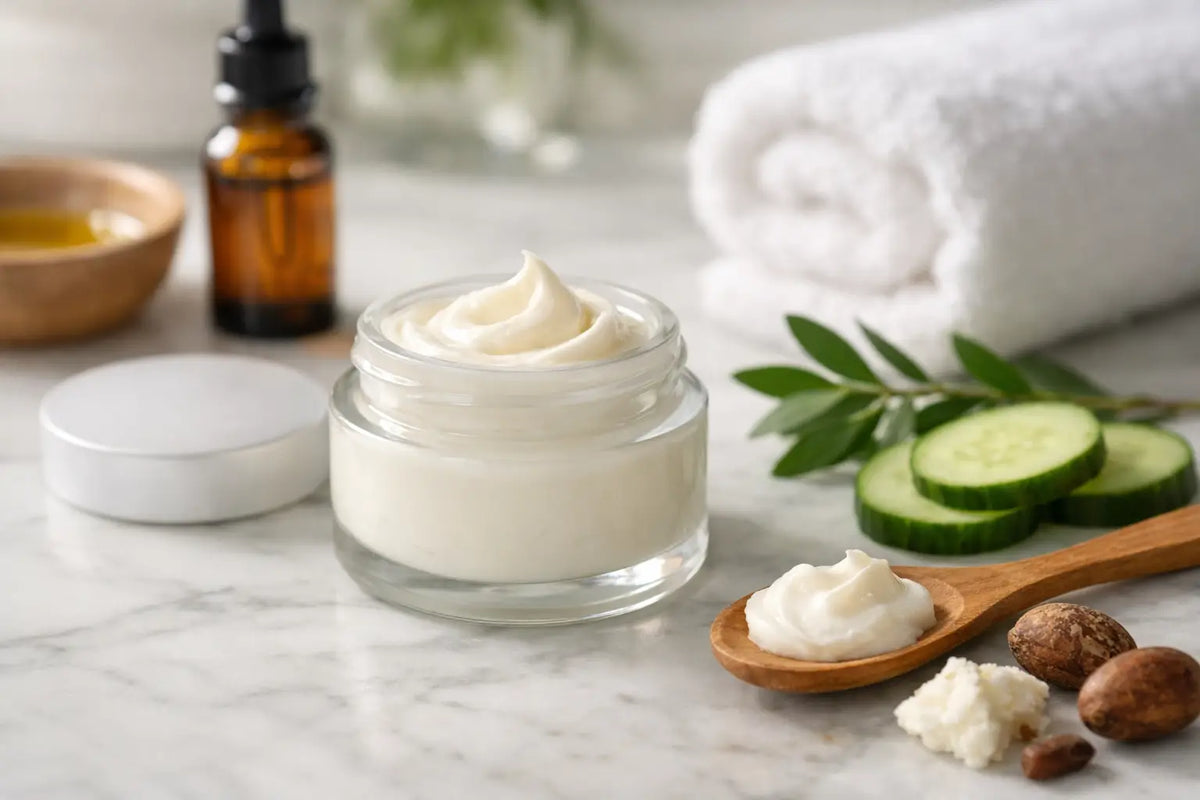
Natural Eye Cream for Fine Lines That Works
Fine lines around the eyes rarely show up all at once. More often, they appear as a slight crease under concealer, a bit of dryness at the outer corners, or skin that looks less rested even when you are. A well-formulated natural eye cream for fine lines can help soften that look, but results depend on choosing the right texture, ingredients, and routine for your skin.
The eye area is thinner than the rest of the face and tends to lose moisture quickly. It also moves constantly through blinking, smiling, and squinting. That combination makes it one of the first places where dehydration lines and early expression lines become visible. The goal is not to erase movement. It is to support smoother, more supple skin so fine lines look less pronounced over time.
What to expect from a natural eye cream for fine lines
A good eye cream can improve the appearance of fine lines, especially when dryness is making them look deeper than they are. The best formulas help in three ways. They replenish moisture, reinforce the skin barrier, and deliver targeted ingredients that support firmness and elasticity.
That said, not every line around the eyes responds in the same way. Dehydration lines often improve relatively quickly when the skin is better hydrated. Lines tied to natural collagen loss or years of sun exposure usually need more time and a broader routine. If you expect an eye cream to do everything on its own, you will likely be disappointed. If you use it consistently as part of a thoughtful regimen, the difference can be visible and satisfying.
Why the eye area needs a different formula
Face creams can sometimes work around the eyes, but they are not always ideal. Rich moisturizers may migrate and feel heavy. Active formulas may be too strong for delicate skin. A dedicated eye cream is typically designed with a lighter, more precise balance. It should cushion the skin without overwhelming it and nourish without causing irritation.
This matters even more if your skin is reactive. Fragrance, harsh exfoliants, and overly aggressive anti-aging actives can make the eye area look worse before it looks better. Redness, stinging, and dryness only emphasize texture. A refined formula with gentle, plant-powered support is often the smarter choice for long-term results.
Ingredients that make a natural eye cream for fine lines worth using
Not all natural formulas are equally effective. The label may look clean, but the ingredient list is what determines performance. When shopping for a natural eye cream for fine lines, focus on ingredients with a clear role in hydration, barrier care, and visible smoothing.
Plant oils and butters for softness and barrier support
Lightweight botanical oils such as jojoba, sunflower, and rosehip can help replenish lipids and reduce that tight, creased look that comes with dryness. Shea butter and other nourishing emollients can also be helpful, especially if your under-eye area feels thin or easily dehydrated. The key is balance. You want comfort and softness, not a greasy finish that causes makeup to slide.
Aloe, glycerin, and hyaluronic acid for hydration
Fine lines often look sharper when the skin is thirsty. Humectants such as glycerin and hyaluronic acid draw water into the skin and help create a smoother surface. Aloe can add a soothing, cooling layer of hydration, which is especially welcome if the eye area feels stressed or sensitive.
Antioxidant-rich botanicals for daily defense
Green tea, chamomile, calendula, and similar plant extracts can support the skin against environmental stress while calming visible irritation. Antioxidants do not replace sunscreen, but they do complement a well-rounded routine. They are particularly useful if fatigue, dryness, and dullness are part of what makes your eye area look older.
Gentle firming support
Some natural eye creams include plant-derived actives or peptides that help improve the look of elasticity and smoothness over time. These ingredients are often more subtle than stronger clinical actives, but they can still be meaningful when used consistently. If your priority is prevention or early signs of aging, this kind of steady support is often enough.
What to avoid if your goal is smoother-looking eyes
The wrong formula can leave the eye area puffy, irritated, or still dry by mid-day. Heavy essential oil blends, strong synthetic fragrance, and harsh exfoliating acids are common reasons an eye cream feels luxurious at first but becomes difficult to use regularly.
It also helps to be realistic about instant tightening products. A temporary smoothing effect can be nice before an event, but it is not the same as lasting skin support. For everyday use, comfort and consistency matter more than a dramatic short-term finish.
How to choose the right texture for your skin
Texture is not just a preference. It changes how a formula performs.
If your fine lines are mostly linked to dryness, a richer cream is usually the better fit. It helps seal in moisture and keeps the under-eye area feeling comfortable for longer. This can be especially helpful in colder weather, low-humidity climates, or if you use retinoids elsewhere in your routine.
If you are prone to puffiness, milia, or makeup slippage, a lighter cream-gel or silky lotion texture may work better. It hydrates without sitting too heavily on the skin. For many people, the best option lands somewhere in the middle - nourishing enough to cushion fine lines, but refined enough for daily wear under concealer and sunscreen.
How to use eye cream for the best results
Application matters more than most people realize. Use a small amount, about the size of a grain of rice for each eye. Dot it gently along the orbital bone and under the eye, then press it in with your ring finger. There is no need to rub hard or apply too close to the lash line.
Morning application helps the skin stay hydrated and smooth throughout the day. Evening application supports overnight recovery. If the formula is gentle and comfortable, twice daily usually delivers the most noticeable improvement.
Layering is equally important. Apply eye cream after watery serums and before heavier creams or facial oils. During the day, always finish your routine with sunscreen. UV exposure is one of the biggest reasons fine lines become more visible over time, especially around the eyes.
The routine that makes eye cream work better
An eye cream performs best when the rest of your skincare routine is pulling in the same direction. If your cleanser is stripping the skin, if your moisturizer is too light, or if you skip sunscreen most days, your eye area will show it quickly.
A streamlined approach tends to work best. Start with a gentle cleanser that leaves the skin comfortable, not tight. Follow with a hydrating serum if you use one, then eye cream, then a moisturizer that supports the skin barrier. In the morning, sunscreen is non-negotiable. If you want a more complete anti-aging routine, add targeted treatments carefully and keep the eye area protected from irritation.
This is where curated routines can be especially helpful. Instead of combining random products and hoping they cooperate, a thoughtfully built system creates better consistency and fewer setbacks. That is often the difference between skincare that looks good on a shelf and skincare that genuinely improves how your skin looks.
When natural formulas are the better choice
Natural is not automatically better, and stronger is not automatically smarter. For the eye area, gentleness is often part of what makes a formula effective. If you have sensitive skin, are fragrance-averse, or want a more elegant daily product that supports results without harshness, a certified organic, dermatologist-approved eye cream can be a strong option.
Brands like Verelé speak to that balance well - plant-powered formulas, modern textures, and high safety standards without sacrificing the luxury feel people want from daily skincare. The best natural eye care should feel reassuring on the skin and credible in its formulation.
How long does it take to see a difference?
Hydration-related improvements can show up within days. The skin looks fresher, makeup sits better, and fine lines seem softer because the surface is better moisturized. More visible changes in texture and firmness usually take several weeks of regular use.
This is where patience matters. Eye creams tend to reward consistency, not overuse. Applying more product than needed will not speed things up, and switching formulas every week usually slows progress. Choose a formula that feels good, fits your skin, and is easy to use every day.
If your under-eye area is persistently irritated, very puffy, or developing deeper creases despite a solid routine, it may be worth reassessing the broader factors involved. Sleep, allergies, sun exposure, and overall skin hydration all affect how the eye area looks.
The right eye cream should make your routine feel simpler, not more complicated. When a natural formula delivers lasting hydration, supports the skin barrier, and sits beautifully on the skin, fine lines tend to look less like a problem to hide and more like a sign that your skin is being well cared for.